
Depersonalisation & Derealisation Recovery
You’re not broken. Recovery is possible
If the world feels unreal and you’re frightened you may never feel like yourself again, this page will help you begin making sense of what you’re experiencing.
Stay with me
I know how frightening this can feel.
- 01The world feels unfamiliar.
- 02I feel far away from myself.
- 03I keep checking whether I am back.
Feeling unreal is not the same as losing touch with reality. In DPDR, people generally recognise that the experience is a feeling—even when it feels intensely convincing.
Depersonalisation can feel like being disconnected from yourself, your emotions, or your body. Derealisation can make your surroundings feel dreamlike, distant, or unfamiliar. These are recognised experiences of DPDR, although only a qualified professional can assess what is causing your symptoms.
This may be a protective response.
One way of understanding DPDR is as a response associated with intense fear, stress, or overwhelm, in which experience begins to feel distant or unreal.
Checking how you feel is an understandable attempt to regain certainty. Repeated checking and reassurance-seeking can sometimes keep attention fixed on danger and make the experience feel more persistent.
This is not your fault. Recovery may involve understanding the symptoms, reducing fear around them, changing checking patterns, and gradually reconnecting with everyday life.
- 01A sensation
- 02Fear
- 03Checking
- 04More alarm
You are not failing to recover. You may simply be caught in a loop no one has explained clearly enough.
If these feelings are new, persistent, severe, or interfering with daily life, speak with a doctor or qualified mental-health professional. An assessment can help rule out other causes and identify appropriate support.

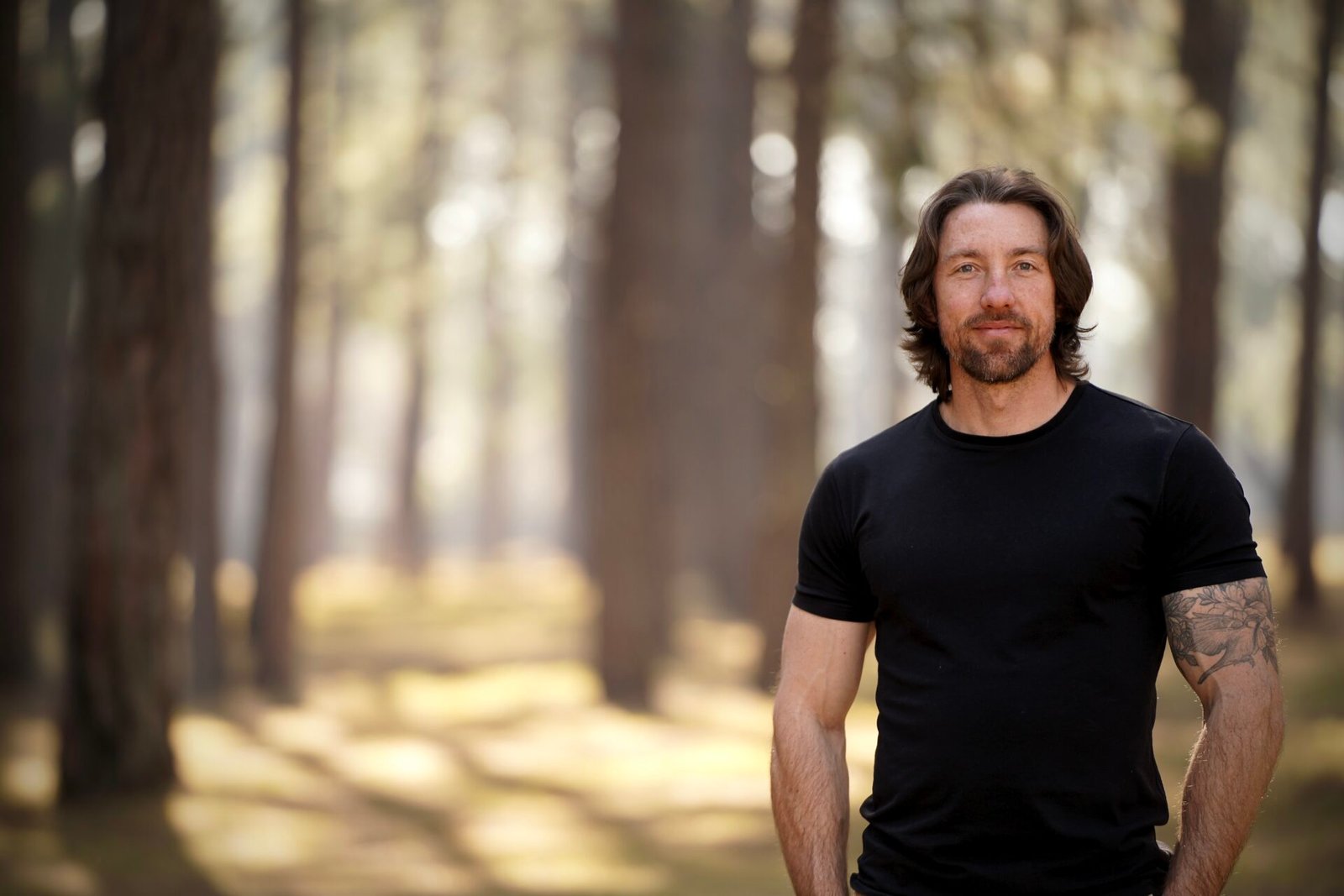
A note from Chris
I remember sitting in a familiar room and feeling as if I had never seen it before.
I searched constantly for certainty. I checked how I felt, read everything I could find, and became increasingly frightened that I might never feel like myself again.
Recovery was not one sudden breakthrough. It began when I understood the experience differently, became less afraid of the symptoms, and gradually reconnected with ordinary life.
That experience eventually led me to study psychology and create the kind of calm, responsible educational support I wish I had found at the beginning.
I created MindSide because clear, responsible information was difficult to find when I first experienced DPDR.
Its purpose is to help people understand what they may be experiencing, respond with less fear, and take practical steps towards reconnecting with everyday life.
Psychology Honours Graduate Accredited Mental Health Coach
Recovered from DPDR
Founder of MindSide Recovery
MindSide provides education and coaching. It does not diagnose DPDR or replace medical or psychological care.
Your next step
Start with the free guide.
You do not need to work everything out today. Begin with one calm explanation, then continue only when you feel ready.
-
01 · Begin here
Open the free recovery guide
A calm introduction to DPDR, the fear-and-checking loop, and the first practical steps forward.
-
02 · Continue when ready
Explore the recovery course
A structured, self-paced programme for understanding the symptoms, changing the fear cycle, and reconnecting with ordinary life.
Learn at your own pace
Recent articles and guides
Clear, responsible explanations for understanding DPDR, changing the checking loop, and reconnecting with ordinary life.
-
29 Oct 2026
Why Do I Feel Unreal? Understanding Derealisation and Anxiety
If you keep thinking, “Why do I feel unreal?”, you may be describing derealisation: a disturbing sense that the world around you…
-
28 Oct 2026
The Complete Guide to Depersonalisation and Derealisation: Symptoms, Causes and Recovery
If you feel detached from yourself, emotionally numb, dreamlike, or as if the world has become distant or unreal, you may be…